
The Problem Isn't Vacancy. It's Policy
What’s happening along Davison Road and Professional Parkway isn’t inevitable, but is the direct result of outdated zoning policies, declining market demand for office space, and a lack of community input. The city had a chance to encourage thoughtful reinvestment. Instead, it made redevelopment harder.
Housing Loss
The City rezoned over 60 parcels without public input, making residential reuse illegal in one of Lockport’s most needed residential developments.
Tax Revenue Lost
If the action of a common council is not stopped the area’s value will dropped approximately from $50 million to $20 million, costing Lockport over $1.6 million in lost annual tax revenue.
Lack of Public Input
Major decisions are being made without resident voices. Council actions are being finalized before the public is even informed.
A Reversal of Progress
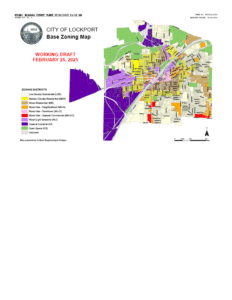
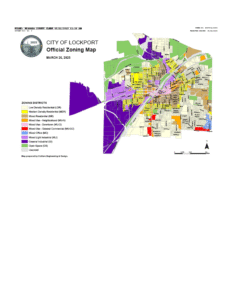
The City of Lockport quietly rezoned about 60 parcels along Davison Road and Professional Parkway into a new “Mixed Office” district. Despite its name, this zoning does not allow residential uses even though nearly every other zone in the city does.
This change was not publicly discussed. There were no neighborhood notices, public hearings, or meaningful outreach to affected property owners.
Instead of encouraging new life for declining office properties, this zoning shuts the door on creative reuse just as the market is demanding more housing.
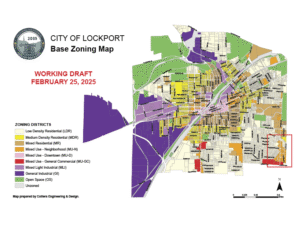
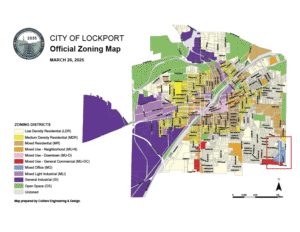
No other zoning classification prohibits residential development.
Exhibits
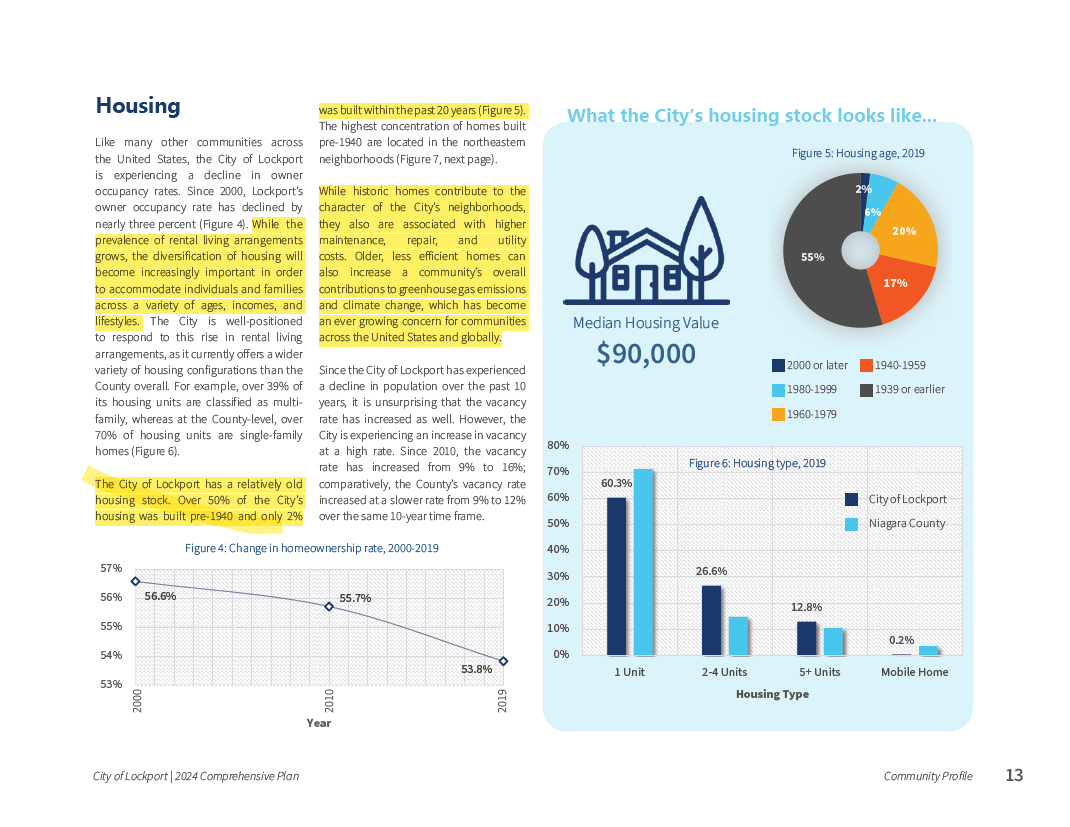
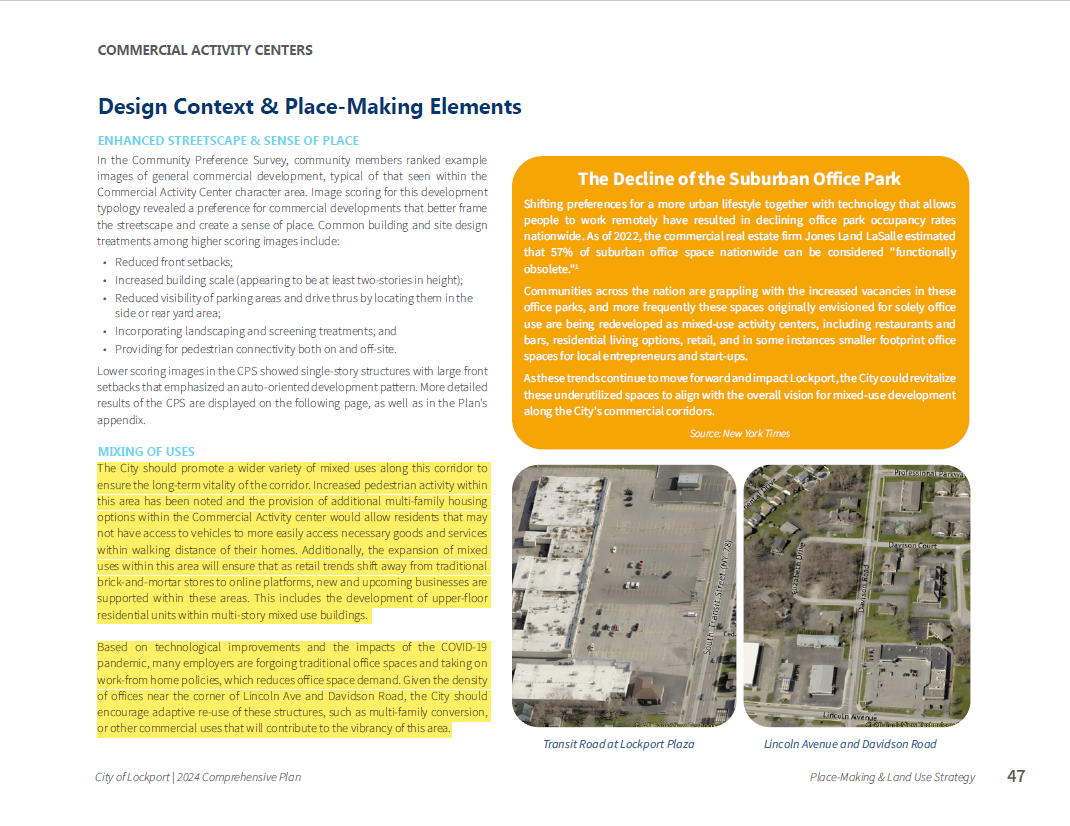
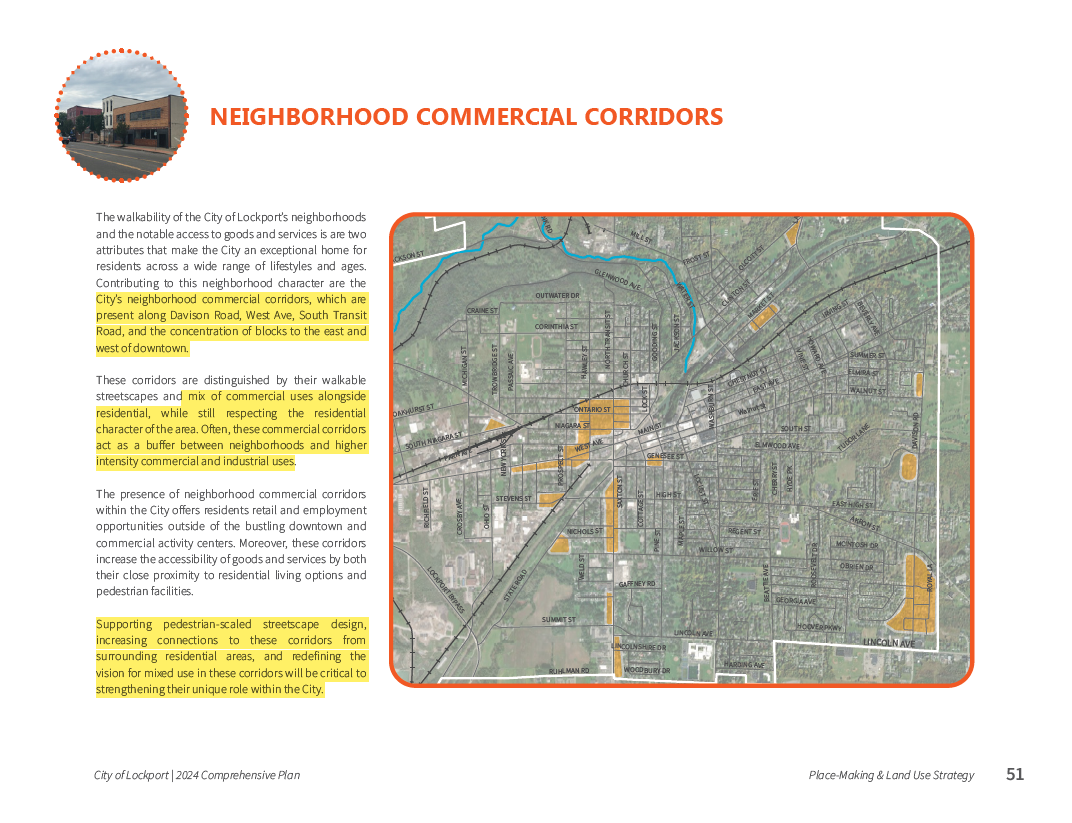
City of Lockport Comprehensive Plan 2024
In Lockport’s 2024 Comprehensive Plan, the City encouraged more mixed-use and multi-family housing along Davison Road. The plan calls for:
-
Supporting walkable neighborhoods with accessible housing near commercial centers
-
Adapting underused office buildings into multi-family units
-
Promoting vibrant, flexible uses that reflect modern retail and work trends
These sudden reversals come after 4 years of planning and alignment with community goals. Now, decisions are being made with little notice or engagement, leaving residents frustrated, uninformed, and stuck with deteriorating properties that could have been revitalized.
Letter to City of Lockport Common Council
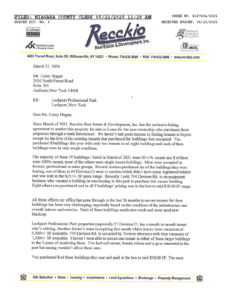
Corey Hogan, owner of Davison Road Properties LLC, urges the Lockport Common Council to restore the original zoning designation (“Mixed-Use Neighborhood”) for 60 Davison Road parcels, which were abruptly rezoned to “Mixed Office” without enough public notice. This zoning now prohibits all residential use despite overwhelming evidence of long-term office vacancies, declining property values, and rising demand for housing.
He outlines how allowing residential conversions would increase assessed values tenfold, generate over $1.6 million in annual tax revenue, and revitalize the deteriorating area, all in line with the city’s own Comprehensive Plan. He also cites national trends, local housing shortages, and successful regional redevelopment projects to support adaptive reuse. Hogan emphasizes that the City Council’s closed-door decision harms the city financially, violates public trust, and contradicts years of inclusive planning work.
He calls for the Council to honor the planning process, reverse the harmful rezoning, and support smart, data-driven redevelopment that benefits all Lockport residents.
Exhibits
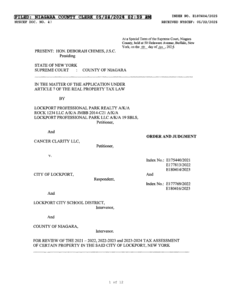
Article 78 Petition
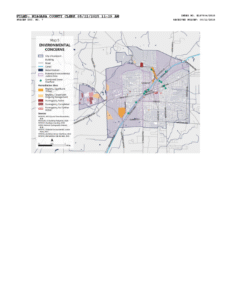
This is the core legal action asking the court to overturn the City’s sudden rezoning of 60 parcels on Davison Road—from a designation that allowed residential use to one that bans it entirely. The petition highlights that this change was made without notice, public input, or required review, and that it violates New York land-use laws by targeting only these parcels—classic spot zoning.
Affidavit of Corey J. Hogan
A first-hand, sworn explanation from the property owner laying out:
- The years of planning and resources devoted to a project that aligned with community goals.
- The pressing need for redevelopment—these buildings have been empty for years, generating no value.
- The financial and community harm caused by the rezoning, which halted the project in its tracks.
Memorandum of Law
This document spells out the legal arguments in plain terms:
- The City’s rezoning conflicts with its own Comprehensive Plan.
- The process was procedurally flawed—there was no public notice, hearing, or environmental review.
- The zoning change targets a handful of buildings for no legitimate planning reason, making it arbitrary and unlawful spot zoning under New York law.
These filings challenge the City’s late, secretive changes by arguing the rezoning was done improperly, is legally unjustifiable, and actively harms both property owners and the broader community.
You can explore the full, official documents here:
Cities Are Adapting. Why Not Lockport?
The Market Has Shifted. Zoning Hasn't.
Demand for suburban office space has fallen sharply. Nationwide, hybrid and remote work are here to stay, and businesses no longer need sprawling office footprints. What’s left behind in Lockport are buildings designed for uses that no longer exist like medical parks with no patients, office buildings with no tenants.
Some of these buildings have sat empty up to 4 years, attracting vandalism, illegal dumping, and trespassing. Their continued deterioration drags down the value of nearby homes, threatens safety, and discourages new investment.
But Other Cities Are Turning This Around
New York City
After the 1990s downturn, zoning changes in Lower Manhattan created 6,500+ homes, turning the Financial District into a thriving mixed-use area.
Los Angeles
LA’s 1999 Adaptive Reuse Ordinance turned 12,000+ old office and industrial units into housing, boosting downtown and creating jobs.
Kansas City
The historic Professional Building was turned into 132 affordable units using tax credits while preserving heritage and adding housing.
Millions Lost in Tax Revenue and Growing
In its prime, this corridor contributed over $1.6 million per year to the City of Lockport and Lockport School District in property taxes. Now, as values collapse, that number has plummeted.
Former Assessed Value
At its height, the Davison Road corridor had the potential of a $50 million commercial asset to the city.
%
Value Lost Since Peak
Vacancies, underuse, and zoning missteps will slash property values by more than half.
Annual Tax Revenue Lost
That could mean a drop of $1.6 million less each year for schools, roads, and city services.
A Process Without the People It Affects
Perhaps the most troubling part? These sweeping changes were made without community involvement. Becasue of this behavior Corey Hogan has now brought action against the city of Lockport.
No mailed notices
No neighborhood meetings
No individual outreach to property owners
No public conversation about the future of the corridor
Residents had no voice in zoning changes that now fuel vacancy, blight, and lost opportunity—decisions made without transparency and without input from those most affected. Lockport deserves zoning that meets today’s needs, not outdated assumptions.